

Wood mold removal
Wood Mold Removal in Jackson, MS
Call (769) 235-0088 for wood mold removal in Jackson, MS. We clean mold from floors, trim, joists and subfloor and check the wood for rot.
Wood can often be cleaned. It is porous, but solid lumber is easier to save than drywall or carpet.
Emergency availability for Jackson, MS and nearby cities
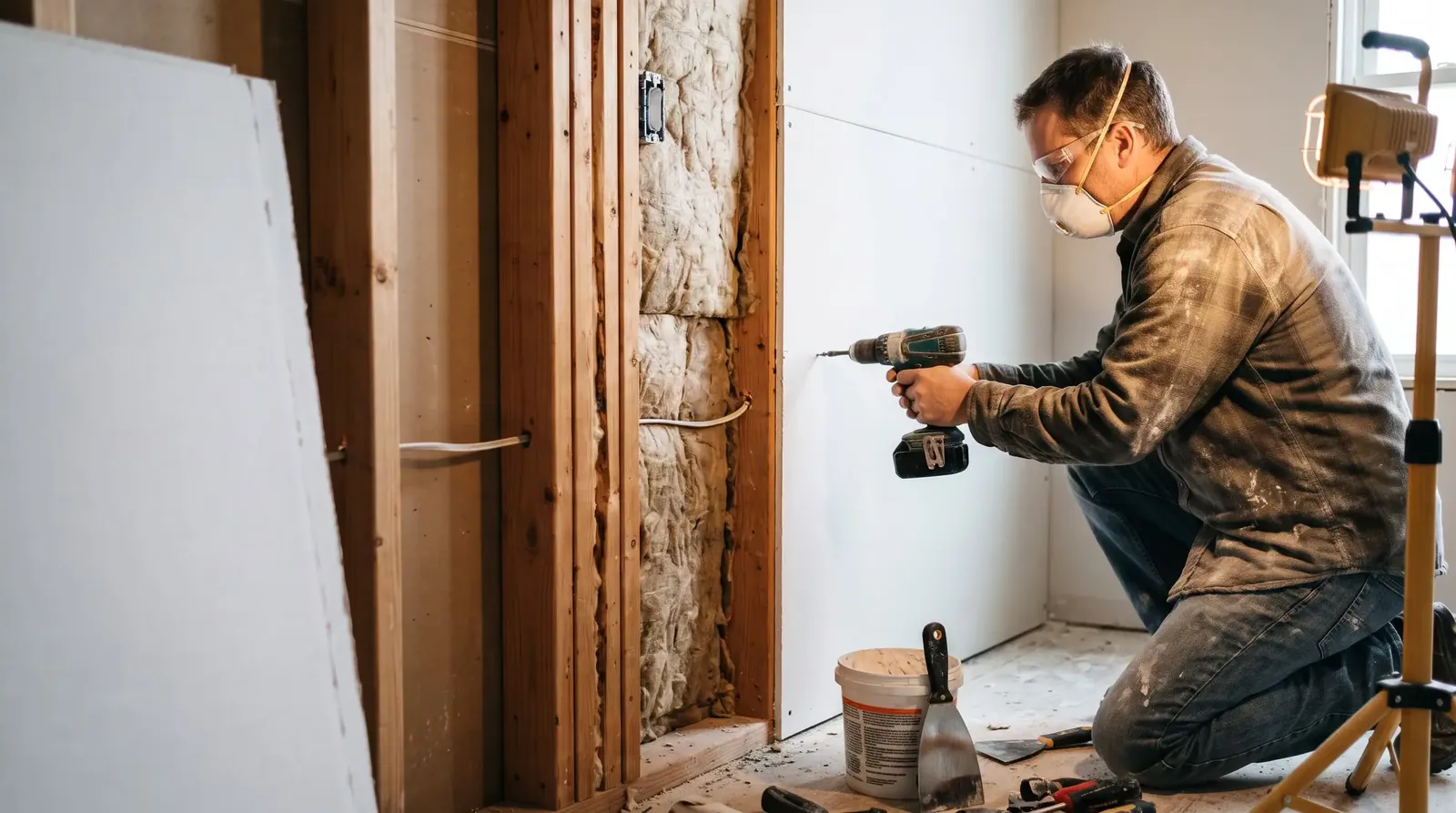
- Solid wood can often be cleaned and dried.
- Wood that is soft, crumbling or rotted needs replacement.
- Moisture caused the mold. Rot follows if it continues.
Signs of mold on wood
Wood shows mold in surface growth and in damage.
- White, green or black fuzzGrowth on the surface of lumber, trim or furniture.
- Dark stains in the grainStaining can sit below the surface.
- A musty or earthy smellWood in damp rooms holds odor.
- Soft spotsA screwdriver sinks in when wood has started to rot.
- Cupped or warped boardsBoards swell and bend when they stay wet.
Clean it or replace it: moldy wood
Wood is judged by strength first, then by mold.
Often cleaned
- Solid framing with surface mold.
- Hardwood floors dried early.
- Joists and subfloor that are firm.
- Furniture with surface growth.
Often removed and replaced
- Wood that is soft, crumbling or rotted.
- Plywood or OSB that has delaminated.
- Trim that has swelled.
- Floorboards that stayed wet for weeks.
A simple probe test checks strength. Wood that resists a screwdriver is usually kept.
Wood in Jackson homes: crawl spaces, attics and floors
Many Jackson homes use wood framing, wood subfloors and wood trim. Most of it is hidden, in crawl spaces, attics and wall cavities.
Wood absorbs humidity from the air. When it stays above a certain moisture level, mold starts on the surface, and rot can follow.
- Joists and beams in crawl spaces.
- Rafters and decking in attics.
- Baseboards and door trim after floods.
- Hardwood floors over damp crawl spaces.
Why wood grows mold in Jackson
Wood absorbs moisture slowly and holds it.
- Crawl space humidity and open soil.
- Roof leaks into attic framing.
- Plumbing leaks near framing.
- Floods that soak floors and baseboards.
Mold on wood is a surface problem first. Decay is the next step if moisture continues.
Which wood can be cleaned
Unfinished wood is porous, but solid lumber has some depth to clean into. Finished or sealed wood resists mold better and cleans more easily.
Rotted wood, and engineered boards such as plywood and OSB that have delaminated, are replaced. EPA (Environmental Protection Agency) guidance suggests professional help for areas over about 10 square feet.
- Often cleaned: solid framing, hardwood, sealed trim.
- Often replaced: swollen plywood, particleboard, rotted lumber.
- Case by case: older floorboards, antique furniture.
How we remove mold from wood
We clean what we can and replace what we must.
- Test the woodWe check moisture and probe for soft spots.
- ContainWe seal the area and run filtered air.
- Clean the surfaceWe use HEPA (High-Efficiency Particulate Air) vacuuming and cleaning to remove growth.
- Remove decayed woodWe remove or cut out rotted sections.
- Dry and protectWe dry the wood and explain moisture fixes.
Before we assess the wood
Helpful to do
- Point out areas that feel soft or bouncy.
- Note any past termite or rot repairs.
- Clear access to framing, attic or crawl space.
- Take photos of stains and growth.
Better to avoid
- Do not sand moldy wood.
- Do not coat damp wood with sealer.
- Do not cut out structural framing.
- Do not ignore soft spots.
What affects wood mold removal cost and timing
Wood jobs range from a few joists to whole floors.
- The amount of wood affected.
- Access to framing.
- Whether rot is present.
- Whether replacement lumber is needed.
We will tell you which parts we can clean and which need replacement.
When to call about moldy wood
Call soon if:
- Wood feels soft or crumbles.
- Floors bounce or sag.
- Mold covers many joists or studs.
- You see insects or fungal growth along with mold.
Wood Mold Removal FAQs for Jackson, MS
Can mold be removed from wood?
Yes, in most cases. Solid wood can be cleaned and dried. Rotted wood is replaced.
Does mold weaken wood?
Mold itself mostly sits on the surface. The moisture that feeds it can lead to rot, which does weaken wood.
Can I sand mold off wood?
Sanding spreads spores. Use proper protection and containment, or have it done professionally.
How do I know wood is rotten?
It feels soft, crumbles or lets a screwdriver sink in easily.
Is mold the same as wood rot?
No. Mold is a surface growth. Rot is a decay that weakens wood. Both can happen where wood stays wet.
Will cleaned wood stay mold-free?
If the wood stays dry, yes. If moisture returns, growth can return.
Can I treat wood to prevent mold?
Some treatments help. Fixing moisture does more than any coating.
Need mold removed from wood?
Call us. We will test the wood and explain what we recommend.