
Mold damage restoration
Mold Damage Restoration in Jackson, MS
Mold damage restoration in Jackson, MS covers the work after mold is gone: rebuilding walls, ceilings, floors and trim that mold or water damaged. Call (769) 235-0088.
Remediation clears the mold. Restoration makes the space whole again.
Emergency availability for Jackson, MS and nearby cities
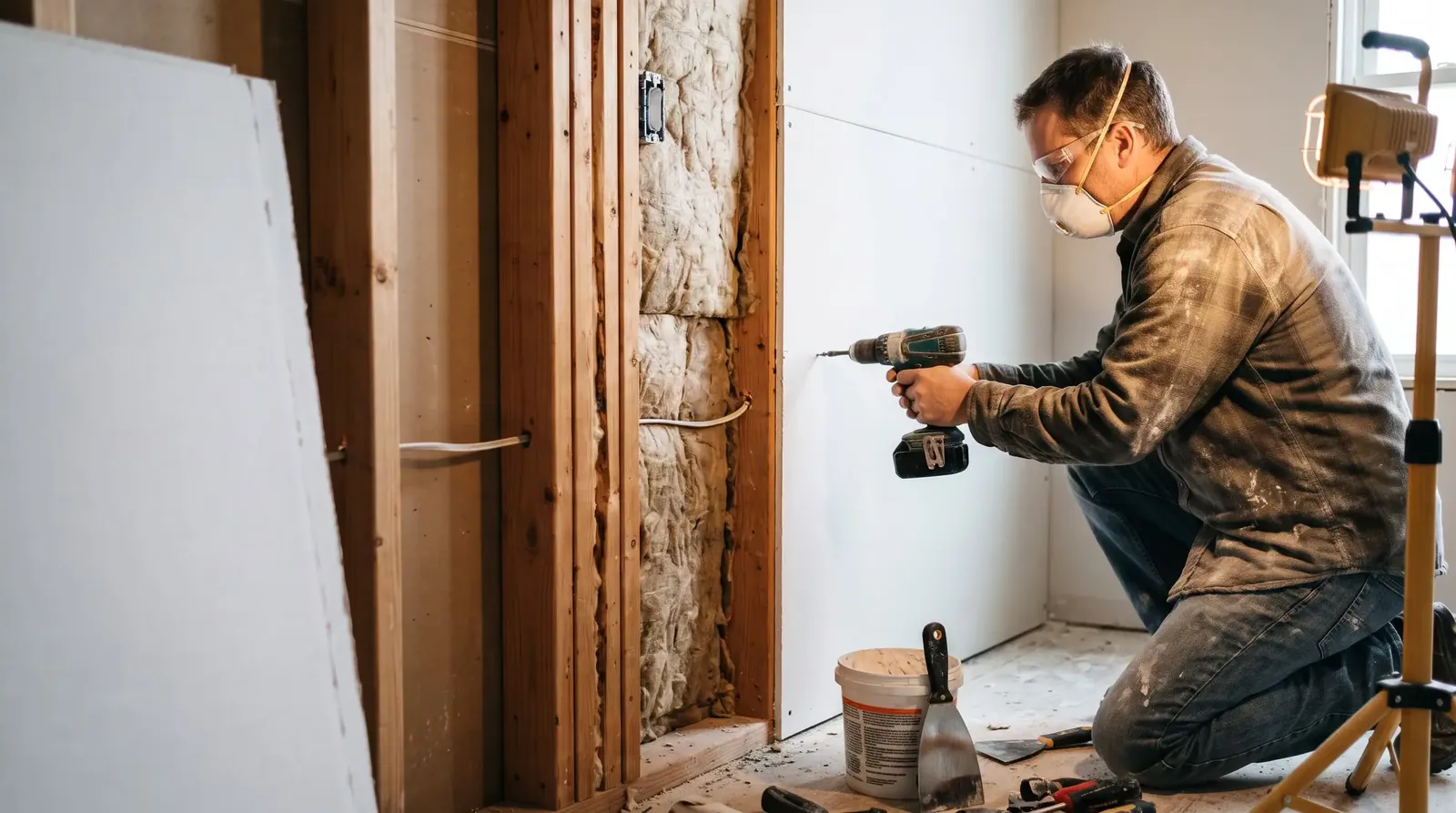
- Restoration is the repair stage. It starts after mold is removed and the structure is dry.
- Common work: drywall, insulation, flooring, trim and paint.
- Dry readings come first. Sealing over damp material starts the problem again.
Signs your home needs mold damage restoration
Restoration is needed when mold or moisture changed the material itself.
- Soft or crumbling drywallWater and mold weaken gypsum board until it breaks apart.
- Warped or lifting flooringMoisture pushes up planks and loosens tile.
- Stained or sagging ceilingsA ceiling that dips has held water above it.
- Rotted trim or baseboardsWood that stays damp loses strength and may crumble.
- Open wall cavitiesSections cut out during mold removal need to be closed and finished.
What mold damage restoration includes
Restoration follows removal. We repair in the order that keeps the work clean and dry.
- Confirm a dry structure. We check moisture readings before any rebuilding.
- Insulation and drywall. We replace what was removed and finish the seams.
- Framing repair. Damaged studs or plates are repaired or replaced as needed.
- Flooring and subfloor. We repair or replace affected sections.
- Trim, texture and paint. We match the finish where we can.
- Final walkthrough. We review the repairs with you.
Restoration in Jackson: repairing after humidity and storm damage
Jackson homes take in water in three main ways: roof leaks after storms, plumbing failures and slow humidity. Each leaves a different kind of damage.
Storm leaks tend to stain ceilings and attic framing. Plumbing leaks tend to damage walls and floors in one area. Humidity tends to show as widespread surface damage.
- Ceiling drywall and insulation after a roof leak.
- Bottom plates and baseboards after a plumbing leak.
- Subfloor and flooring above a damp crawl space.
- Cabinet bases after a kitchen leak.
What causes the damage that needs restoration
Mold damage rarely comes from mold alone. Water starts it, and mold adds to it.
- Long-term leaks from roofs, pipes or drains.
- Flooding and standing water that stayed too long.
- High indoor humidity over many months.
- Delayed drying after a spill or storm.
The longer materials stay wet, the more repair a home needs. Early action reduces the scope.
What gets repaired and what gets replaced
Non-porous and solid materials can often stay. Tile, metal, concrete and solid framing in good condition can be cleaned and kept.
Porous materials that held mold are usually replaced. This includes drywall, insulation, carpet and pad. Replacing them gives you a clean base for new finishes.
- Kept after cleaning: solid framing, tile, concrete, sealed wood.
- Often replaced: drywall, insulation, carpet, pad, ceiling tile.
- Case by case: hardwood floors, cabinets, trim.
How our restoration process works
We repair after removal and drying are complete.
- Review the scopeWe list the materials that were removed and what must be rebuilt.
- Confirm drynessWe check moisture readings so repairs are not sealed over damp material.
- Rebuild the structureWe repair framing, insulation and subfloor first.
- Close and finishWe hang drywall, tape, texture and prime.
- Paint and walk throughWe paint the area and review the work with you.
Before repairs begin
Helpful to do
- Confirm that mold removal is complete and the area is dry.
- Decide on finishes: paint color, flooring, trim style.
- Gather photos and records for any insurance claim.
- Ask what finish match you can expect on older textures.
Better to avoid
- Do not close walls over damp framing.
- Do not skip fixing the leak that caused the damage.
- Do not rush paint onto fresh drywall that is not fully dry.
- Do not store items in the repaired room until it is complete.
What affects mold damage restoration cost and timing
Restoration costs depend on how much material was lost. No two homes match.
- How much drywall, flooring or framing needs replacing.
- Finish level, such as texture, trim and paint match.
- Access to the damaged area.
- Whether insurance covers part of the repair.
We can explain the scope in plain terms and describe each repair step.
When to start restoration
Restoration should begin once the area is dry. Call us if:
- Mold removal is finished and walls are still open.
- A ceiling or floor feels soft or uneven.
- You plan to sell or rent the home soon.
- You have damage from a past leak you never repaired.
Mold Damage Restoration FAQs for Jackson, MS
What is the difference between mold remediation and restoration?
Remediation removes mold and fixes the moisture. Restoration rebuilds the damaged materials afterward.
Do you handle both removal and repair?
Yes. Handling both keeps the schedule and the work in order.
How long does restoration take?
A small repair can take a few days. Larger projects take longer because of drying, drywall finishing and paint.
Will the repaired area match the rest of the room?
We match texture and paint as closely as possible. Older finishes can differ slightly.
Does insurance cover mold damage restoration?
Coverage varies by policy and by the cause of the damage. Sudden events such as a burst pipe are treated differently from long-term leaks. Check with your insurer and keep photos and records.
Can you work around my schedule?
We can plan phases so you can use unaffected rooms. Tell us your timeline when you call.
Will the repair match my old walls and floors?
We match textures and colors as close as we can. Older finishes can vary slightly, and we point out any difference before we start.
Need mold damage repaired in Jackson, MS?
Call us. We will review the damage and explain the repair steps.